Root Hairs Are Healthy
Young roots grow fine white hairs that look like fuzz. They're healthy, and they help roots take up water. Beginners often mistake them for mold. Radish and broccoli grow a lot of them.
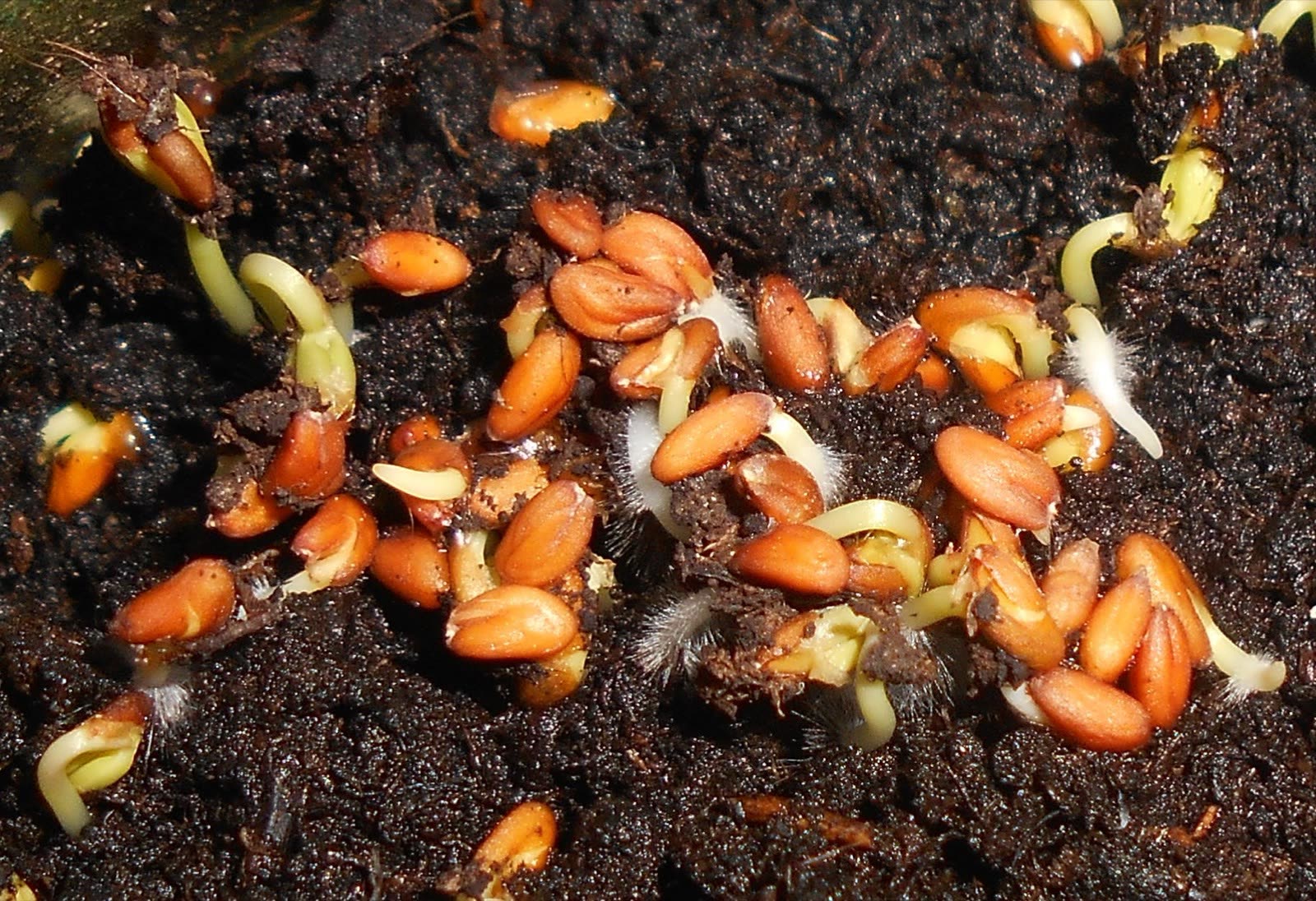
Side by Side
| Root Hairs | Mold | |
|---|---|---|
| Where It Grows | Only on the roots, evenly across the tray | On seeds, stems or the growing medium |
| How It Looks | Fine, bright white fuzz | A gray or white web, often in patches |
| When You Mist It | Disappears for a minute | Stays, and can smell musty |
| What to Do | Nothing. They help roots take up water. | Scoop it out, or throw the tray out if it covers much of it |
The Mist Test
When you're not sure, this takes a minute and settles it.
- Look where it grows. Root hairs grow only on the roots, evenly across the tray. Mold grows on seeds, stems or the growing medium.
- Mist a small spot. Spray a little clean water on the fuzz.
- Look again. If the fuzz disappears for a minute, it's root hairs. If it stays, treat it as mold.
Which Microgreens Grow Root Hairs
Radish and broccoli grow a lot of them, so they're the trays that worry new growers most. Here's what their growing steps say to expect:
- Radish (Daikon), Blackout: Seeds crack open and send down roots. Fuzzy white root hairs on the roots are normal.
- Broccoli, Blackout: Seeds sprout and roots reach down. Short white root hairs are normal.
- Kale (Red Russian), Blackout: Seeds sprout and roots reach down. Short white root hairs are normal.
- Red Cabbage, Blackout: Seeds sprout and roots reach down. Short white root hairs are normal.
- Kohlrabi (Purple Vienna), Blackout: Seeds sprout and roots reach down. Short white root hairs are normal.
- Mustard (Red Giant), Blackout: Seeds sprout and roots reach down. Short white root hairs are normal.
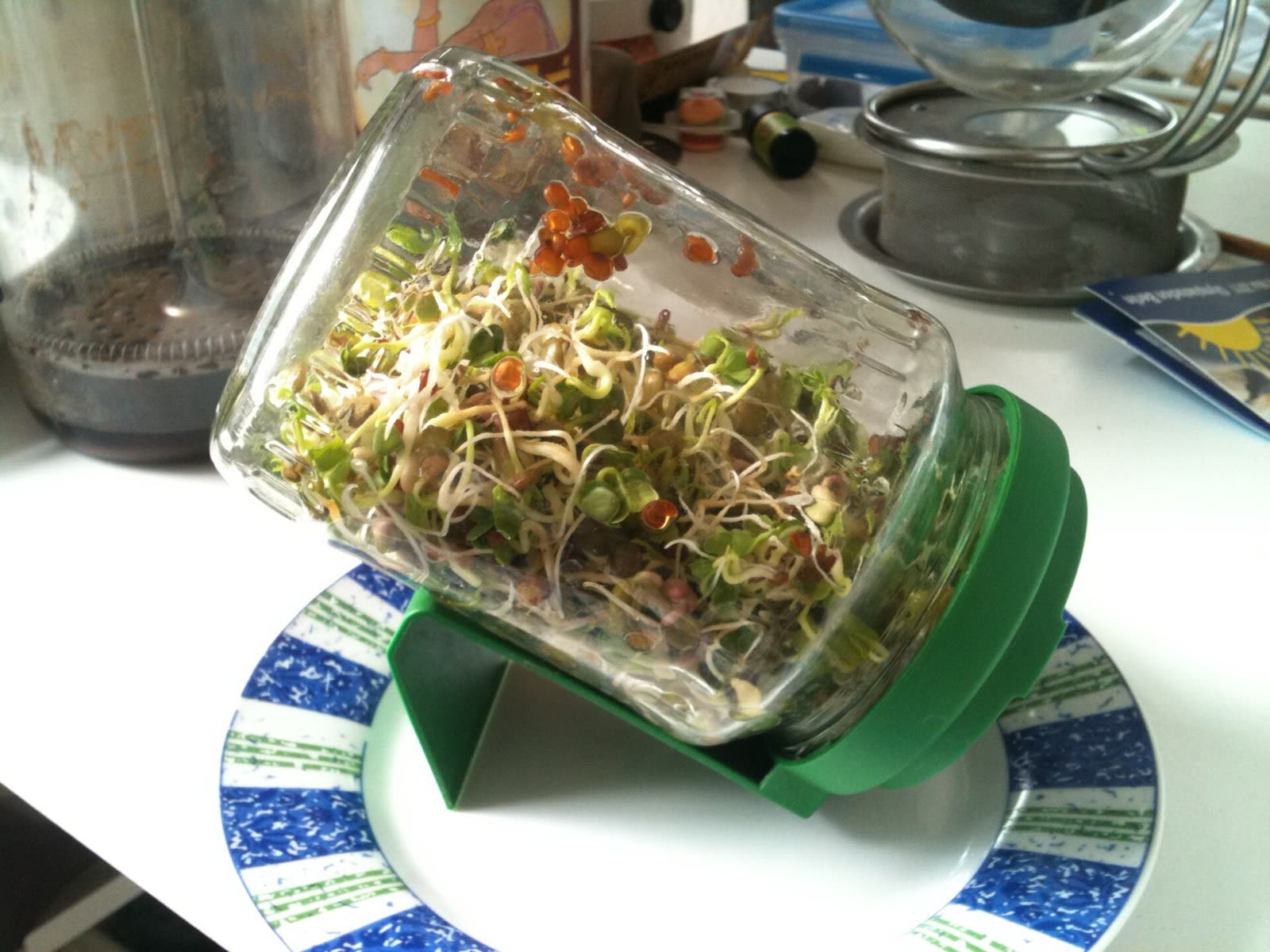
- Broccoli Sprouts, Rinse and Drain: Small white tails appear by the second day and grow longer each day. By the last day they fill about half the jar, with small pale leaves. Fuzzy white root hairs are normal.
What to Do About Mold
Scoop out the patch and a little around it. Mist the spot with 3% hydrogen peroxide mixed half and half with water. Then run a fan across the tray.
If mold covers much of the tray, throw the tray out. Then clean and sanitize the tray, and anything it touched.
When to Throw It Out
Some problems can be fixed. Others mean the tray or jar should go in the compost. When you're not sure, throw it out. One lost tray costs far less than a sick customer.
Throw it out when:
- Mold covers more than a small patch, or comes back after you remove it.
- It smells sour or rotten.
- The sprouts or stems feel slimy.
- An animal, pest droppings or floodwater got to it.
- It was dropped on the floor.
- The harvested greens sat warm for hours.
- Its seed lot is linked to an illness or a recall.
Be stricter with sprouts. A sour smell or any slime in a jar means the whole jar goes.
After you throw it out, mark the tray or jar as failed in the app. Then clean and sanitize the tray or jar, and anything it touched.
Sources (checked October 12, 2026)
- 21 CFR 112.112: Produce That Is Reasonably Likely to Be Contaminated (eCFR)
- FSMA Final Rule on Produce Safety (FDA)
- Selecting and Serving Produce Safely (FDA)
This is general information. Follow FDA guidance and your state and local rules.
How to Prevent Mold
Mold needs still air, damp leaves and a crowded tray. Take those away, and most mold never starts.
- Keep air moving. Run a fan across the rack once trays are under the light.
- Water from below, so the leaves stay dry.
- Don't sow too much seed. Use the amount in the growing steps, and spread it evenly.
- Clean and sanitize every tray between uses.
- Keep the Grow Room between 65 and 75 °F, with humidity around 40 to 60%.
During blackout, check each tray every morning. Mist only when the surface looks dry.
If mold does show up, scoop out the patch and a little around it. Then add airflow for the rest of the tray. Log it on the tray, so your history shows what keeps causing it.
If mold covers much of the tray, throw the tray out.
Fuzz or Slime in a Jar of Sprouts
Be stricter with sprouts. A sour smell or any slime in a jar means the whole jar goes. These are the usual causes when sprouts turn slimy or brown:
- Not Rinsed Often Enough: It's been more than 12 hours since the last rinse. Rinse morning and evening, every day.
- Too Warm: The jar is near a window, appliance or heater. Keep jars around 65 to 75 °F.
- Too Crowded: The jar is packed full and sprouts are pressed together. Start with less seed per jar.
See How to Grow Sprouts in a Jar for rinsing and draining that keeps jars fresh.
Check It in the App
Microgrower's Is This Normal check shows a picture of each problem, the likely cause for your tray's day, and a test to tell them apart. Sprout, the app's optional AI helper, can also look at your photo and tell you if it sees mold or root hairs.